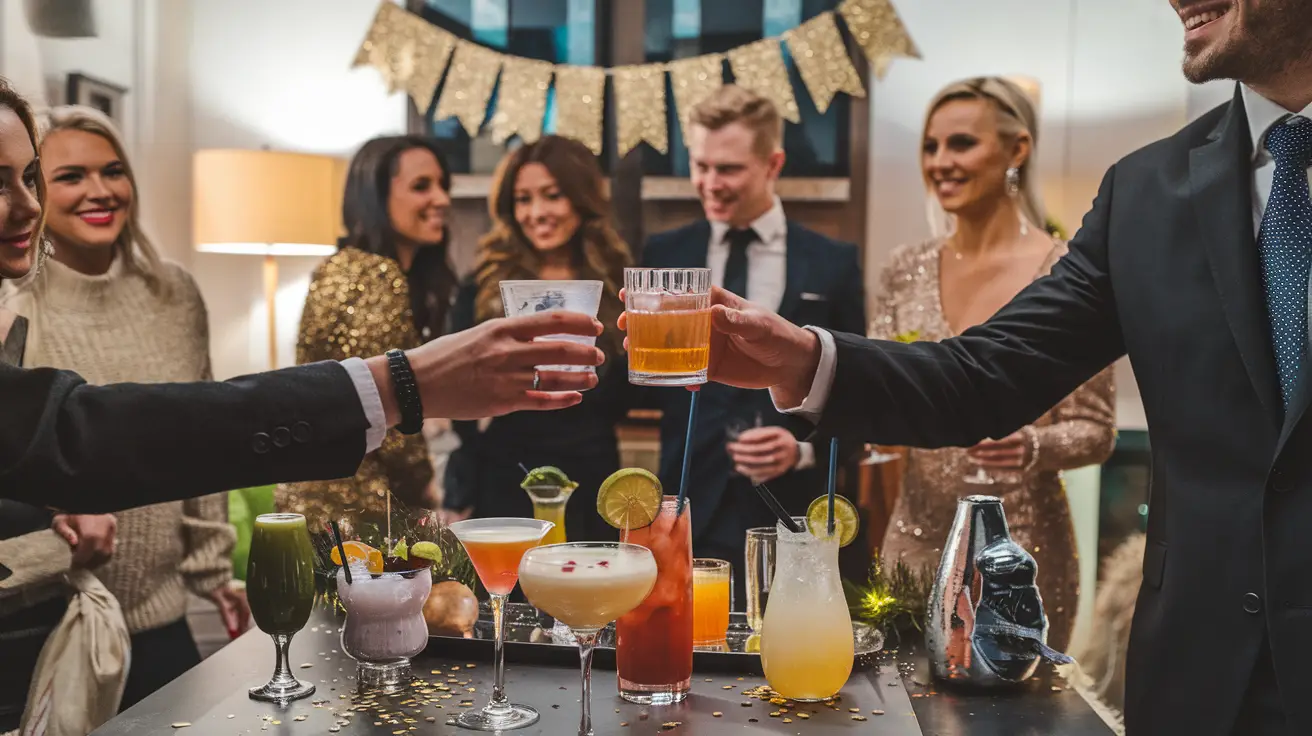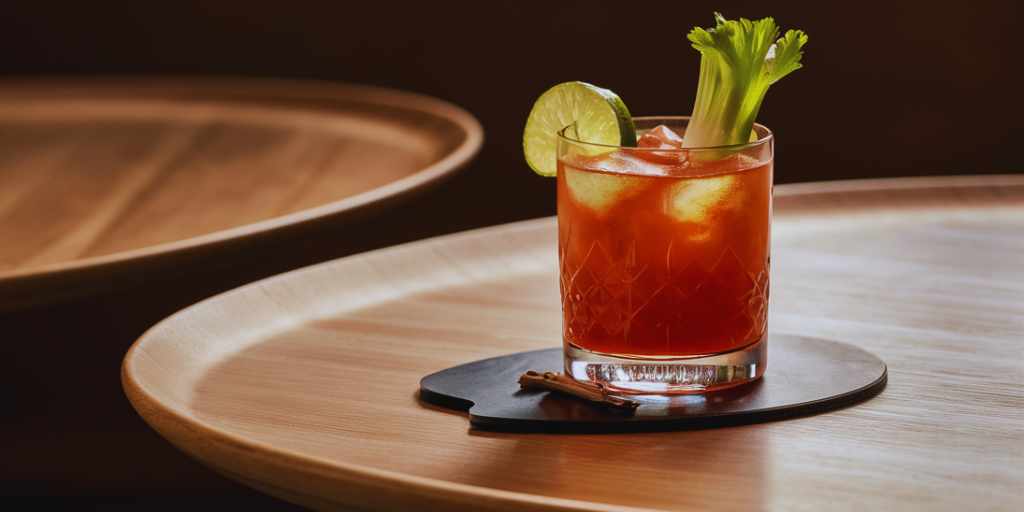
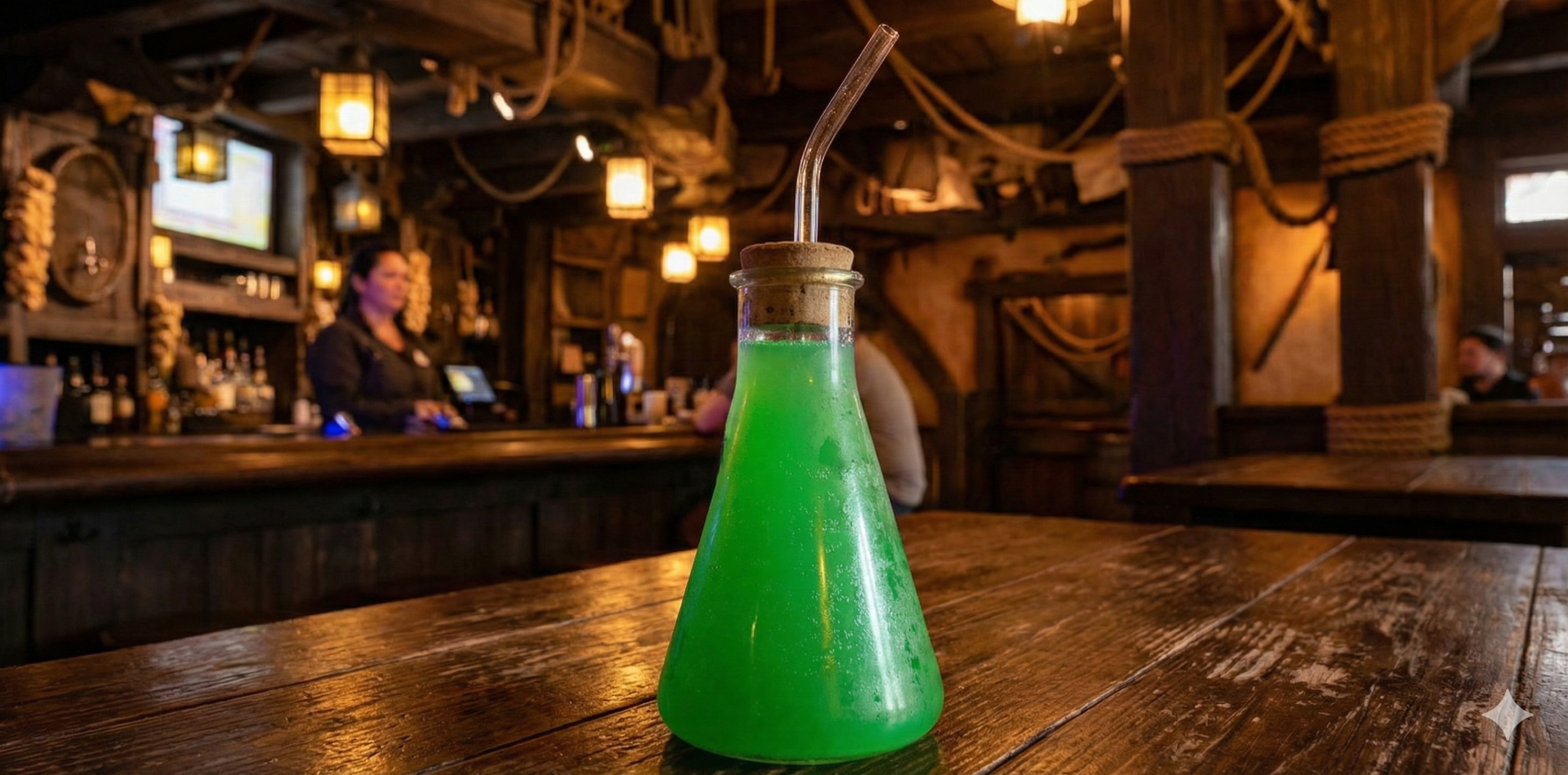
Gone are the days when ordering a non-alcoholic drink meant settling for a sugary Shirley Temple or a sad glass of soda water with a lime wedge.
The bar scene has undergone a quiet revolution, and the “mocktail” has graduated from an afterthought to a star attraction. Driven by the rising “sober curious” movement and a collective shift toward wellness, modern mixology has finally caught up. Today’s top bartenders are treating alcohol-free cocktails with the same reverence as their boozy counterparts, utilising complex fermentation, botanical distillations, and sophisticated glassware to create an experience, not just a drink.
Elevated Classics (Reimagined Favourites)
These sophisticated takes on traditional mocktails bring fresh twists to drinks people already know and love. Bartenders add unexpected ingredients and refined techniques to create drinks that feel special and taste complex.
Monocane
The Monocane takes the familiar Virgin Mojito and elevates it with premium ingredients and careful preparation. Instead of standard mint, bartenders muddle Thai basil or chocolate mint for a deeper flavour. Fresh-pressed sugarcane juice replaces simple syrup, adding natural sweetness and a subtle earthiness.
The drink builds on the classic base of muddled herbs and lime juice. Bartenders add a splash of elderflower tonic or cucumber water for brightness. Some versions include a black lava salt rim or activated charcoal for visual drama.
Key ingredients:
- Thai basil or chocolate mint
- Fresh-pressed sugarcane juice
- Premium elderflower tonic
- Hand-cut ice spheres
The presentation matters as much as the taste. Bartenders serve the Monocane in a copper mug or crystal glass, garnished with edible flowers or dehydrated citrus wheels.
Sunrise
The sunrise mocktail reimagines the traditional tequila sunrise with layered complexity. Fresh-squeezed blood orange juice replaces standard OJ, creating a deeper colour gradient. Bartenders use house-made grenadine from pomegranate juice instead of the bright red corn syrup version.
Some versions include a splash of passion fruit puree or guava nectar. The drink gets topped with sparkling water for effervescence. A charred orange slice adds a smoky element that mimics the complexity of aged spirits.
The layering technique creates the signature sunrise effect. Bartenders pour grenadine slowly over the back of a spoon so it sinks and rises naturally through the orange juice.
Lavender Lemon Drop
This elegant mocktail combines floral notes with bright citrus. Bartenders infuse simple syrup with culinary lavender for 24 hours to extract maximum flavour without bitterness. Fresh lemon juice balances the sweetness while adding tartness.
The drink gets shaken hard with ice to create a frothy texture. Some bartenders add aquafaba (chickpea water) for a silky foam top. A sugared rim with dried lavender buds adds texture and aroma.
Flavor profile:
- Delicate lavender fragrance
- Bright lemon acidity
- Subtle honey sweetness
- Crisp, clean finish
The presentation often includes a lemon twist and a fresh lavender sprig. The purple-tinted drink looks sophisticated in a chilled coupe glass.
Garden & Berry-Forward Sips
Berry-flavoured mocktails bring natural sweetness and vibrant colours to any bar order, while garden-inspired drinks incorporate fresh herbs and botanical elements for a sophisticated taste profile.
Blackberry Bramble
The Blackberry Bramble mocktail transforms the classic gin-based cocktail into a refreshing alcohol-free option. Fresh blackberries get muddled with lemon juice and simple syrup to create a deep purple base that’s both tart and sweet.
Most bartenders build this drink by crushing the blackberries at the bottom of the glass first. They then add crushed ice and pour lemon juice over the top. The drink finishes with a drizzle of blackberry syrup that cascades through the ice.
The presentation makes this one of the most visually striking mocktails to order at a bar. Fresh mint leaves or a lemon wheel often garnish the top. The combination of fruit and citrus creates a balanced flavor that works well for warm weather.
Raspberry Leaf Tea Mocktail
Raspberry leaf tea forms the foundation of this herbaceous drink option. The tea itself has a mild, slightly floral taste that differs from the sweet fruit flavour most people expect. Bartenders steep the tea and let it cool before mixing it with other ingredients.
This mocktail typically includes fresh lemon juice and honey to complement the tea’s natural earthiness. Some versions add fresh raspberries for a pop of colour and extra fruit notes. The drink works well served over ice in a tall glass.
The tea base provides subtle complexity without overwhelming sweetness. Bartenders may add sparkling water to give the drink some fizz. This option appeals to those seeking garden-inspired beverages with lighter, more delicate flavours than fruit-heavy alternatives.
Nostalgia, Reinvented
Classic childhood favourites are getting grown-up makeovers at bars, transforming sweet memories into sophisticated drinks. These mocktails blend familiar flavours with modern twists that appeal to adult palates.
Dirty Soda
Dirty soda combines soda with cream, flavoured syrups, and sometimes fruit juice to create a sweet, fizzy treat. The drink originated in Utah and has gained popularity across the country as a fun non-alcoholic option.
Most bars make dirty sodas with cola or root beer as the base. They add heavy cream or half-and-half for a smooth texture. Common flavour additions include:
- Coconut syrup
- Vanilla syrup
- Cherry or lime juice
- Fresh fruit
The cream softens the carbonation and creates a float-like consistency. Bartenders often top these drinks with whipped cream or maraschino cherries. Some versions use flavoured sparkling water instead of traditional soda for a lighter option.
The drink works well for anyone craving something sweet and creamy without alcohol. It offers enough complexity to feel special while maintaining the simple pleasure of a fountain drink.
Caramel Apple Mocktail
The caramel apple mocktail captures fall flavours in a glass year-round. Bars typically build this drink with apple juice or apple cider as the foundation.
Bartenders add caramel syrup to sweeten the drink and create that signature candy apple taste. They often rim the glass with caramel sauce and crushed graham crackers or cinnamon sugar. A splash of lemon juice balances the sweetness.
Some bars add ginger ale or sparkling apple cider for fizz. Others muddle fresh apple slices at the bottom of the glass. Cinnamon sticks make both a garnish and a stirrer.
The drink can be served cold over ice or warmed up like hot apple cider. Cold versions sometimes include a scoop of vanilla ice cream for an extra indulgent treat. This mocktail appeals to anyone who enjoys dessert-inspired drinks with recognisable, comforting flavours.
Light, European-Inspired Refreshers
European-style mocktails bring sophisticated floral notes and bubbly refreshment to the bar scene. These drinks feature delicate ingredients like elderflower and prosecco-style sparkling water that create elegant flavor profiles.
Elderflower Tonic Mimosa
The elderflower tonic mimosa replaces champagne with sparkling water and adds elderflower cordial for a floral sweetness. This drink combines fresh orange juice with elderflower syrup and tonic water in a champagne flute.
The elderflower gives the drink a light, fragrant quality that tastes like spring flowers. Bartenders typically use a ratio of one part elderflower cordial to three parts orange juice, then top it with sparkling tonic water.
Key ingredients:
- Fresh orange juice
- Elderflower cordial or syrup
- Sparkling tonic water
- Optional orange slice garnish
The drink works well for brunch or afternoon gatherings. It has a lower sugar content than many mocktails that can be ordered at bars while still delivering interesting flavours.
Hugo Spritz (Non-Alcoholic)
The Hugo spritz comes from northern Italy and features elderflower, mint, and lime. The traditional version uses prosecco, but the mocktail version substitutes sparkling water or soda.
Bartenders muddle fresh mint leaves with lime juice and elderflower syrup, then add sparkling water and ice. The drink gets topped with a mint sprig and lime wheel for garnish. The combination creates a refreshing taste that balances sweet, tart, and herbal notes.
This spritz has become popular at bars serving creative alcohol-free drinks because it looks sophisticated in a wine glass. The mint provides a cooling sensation while the elderflower adds complexity beyond simple fruit flavours. Some bars add a splash of cucumber juice for extra freshness.
Functional & Lifestyle Mocktails
Functional mocktails contain ingredients that support specific health goals or life stages. These drinks go beyond basic refreshment to address particular wellness needs.
Postpartum Mocktails
New mothers need extra nutrients and hydration during recovery and breastfeeding. Postpartum mocktails can include ingredients that support milk production and energy levels.
Key Ingredients for Postpartum Support:
- Oats – Contains beta-glucan, which may help increase milk supply
- Dates – Provides natural energy and essential minerals
- Coconut water – Restores electrolytes lost during breastfeeding
- Ginger – Helps with digestion and reduces inflammation
A simple postpartum mocktail combines coconut water with muddled dates and fresh ginger. Another option mixes oat milk with cinnamon and a touch of maple syrup. These drinks provide hydration while delivering nutrients that recovering mothers need.
Many bars now offer functional mocktails with health benefits designed for specific wellness goals. Mothers should talk to their doctor before adding new ingredients to their diet, especially herbs or supplements.
Presentation & Garnish Trends For 2025
Mocktails in 2025 focus heavily on visual appeal. Bartenders create drinks that look as good as they taste using unique glassware and creative serving techniques.
Garnishes have evolved beyond simple decoration. They now enhance flavour, aroma, and the overall drinking experience. Sustainability drives many garnish choices this year.
Popular Garnish Elements:
- Edible flowers like lavender, hibiscus, and pansies
- Dehydrated citrus wheels for zero waste
- Fresh herb sprigs, including rosemary and basil
- Elaborate fruit arrangements
- Candied ginger and other crystallised ingredients
The trend leans toward multi-sensory experiences. A sprig of rosemary releases aroma when touched. Citrus peels add oils that complement the drink’s flavour profile.
Presentation has become just as important as taste. Bartenders use copper mugs, wine glasses, and highball glasses to match the drink’s character. Some venues serve mocktails with dry ice for a dramatic effect or use colourful straws and picks.
Sustainability shapes garnish choices, too. Bars repurpose fruit peels and scraps instead of throwing them away. They use seasonal, locally sourced produce whenever possible.
The Instagram factor plays a major role. Drinks need to be photographed well since customers share their experiences online. Vibrant colours, layered presentations, and artistic garnishes make mocktails more shareable and memorable.
Whether you are the designated driver, taking a break from booze, or want to enjoy the social ritual of a night out with a clear head, you no longer have to sacrifice flavour. From spicy agave alternatives to herbaceous infusions that rival the best gin, here is your guide to navigating the menu and ordering the trendiest, most delicious mocktails with confidence.